Wood Fences
Classic wood fencing that combines natural beauty with privacy and durability.
Why Homeowners Choose Wood Fencing
Wood remains the most popular fencing material for residential properties, and for good reason. A wood fence gives your home natural warmth and character that other materials cannot match. The grain patterns and texture of real wood create visual interest that looks at home in any neighborhood, from traditional to contemporary styles.
Beyond appearance, wood fencing offers practical benefits that make it ideal for Bristol, VA homeowners. Wood provides excellent privacy when you want to create a secluded backyard space. It blocks sound better than chain-link or aluminum, which matters if you live near a busy road. Wood is also a natural insulator, which can help reduce noise from neighbors or traffic.
The versatility of wood allows for countless design options. You can paint or stain it any color to match your home. Want a rustic look? Let cedar age naturally to a beautiful silver-gray. Prefer a modern aesthetic? Paint it a bold color or go with horizontal boards instead of traditional vertical pickets. With wood, your fence can be as unique as your home.
Key Benefits of Wood Fencing
- Natural beauty that enhances your property value
- Complete privacy when you want a secluded yard
- Superior sound blocking compared to open fence types
- Customizable with paint, stain, or natural finish
- Available in various styles from traditional to modern
- Strong and durable when properly maintained
- Repairable if individual boards get damaged
- Eco-friendly and renewable resource
Choosing the Right Wood Type
Not all wood is created equal when it comes to fencing. The type of wood you choose affects how your fence looks, how long it lasts, and how much maintenance it needs. Let us walk you through the most common options so you can make the right choice for your property.
Pressure-Treated Pine
Pressure-treated pine offers the best value for most homeowners. The treatment process forces preservatives deep into the wood fibers, protecting against rot, insects, and fungal decay. This treated lumber can last 20 years or more when properly maintained, making it a smart long-term investment.
The wood starts with a greenish tint from the treatment chemicals, but this fades to a neutral gray over time if left unstained. Most homeowners choose to stain or paint pressure-treated wood after it has dried for a few months. This gives you complete control over the final appearance while getting the durability benefits of the treatment.
Modern pressure-treated wood uses safer preservatives than older versions. The current treatment methods are safe for residential use and will not harm pets or plants near the fence. This makes pressure-treated pine a practical, affordable choice that delivers reliable performance.
Cedar
Cedar costs more than pressure-treated pine, but many homeowners consider it worth the premium. Cedar naturally resists rot and insects without chemical treatment. It contains natural oils that repel moisture and discourage termites and other wood-boring insects from attacking it.
The appearance of cedar sets it apart. Fresh cedar has a beautiful reddish tone and pleasant aroma. Over time, it weathers to an elegant silver-gray if left untreated. Many people love this natural aging process and choose cedar specifically for the patina it develops. You can also stain cedar to maintain its original color or paint it if you prefer.
Cedar is lighter than pressure-treated wood, which makes it easier to work with during installation. It is also dimensionally stable, meaning it resists warping and twisting better than some other wood types. If you want a premium wood fence that looks beautiful with minimal maintenance, cedar delivers.
Redwood
Redwood is the luxury option for wood fencing. Like cedar, it naturally resists rot and insects. Redwood has a rich, deep red color that many find even more attractive than cedar. It is also exceptionally stable and resistant to warping, which means your fence stays straight and true over time.
The main drawback of redwood is availability and cost. It grows primarily on the West Coast, so prices in our area run significantly higher than cedar or treated pine. If budget is not a concern and you want the finest wood fence possible, redwood is an excellent choice. Most homeowners find that cedar offers similar benefits at a more reasonable price point.
Wood Fence Styles and Designs
One advantage of choosing wood is the variety of styles available. Your fence installation can be customized to match your home's architecture and your personal preferences. Here are the most popular wood fence styles we install.
Privacy Fence
Privacy fences feature vertical boards placed tightly together with no gaps. They typically stand six to eight feet tall, completely blocking the view into your yard. This style is perfect if you want to create a private outdoor space for your family or block an undesirable view.
Privacy fences can have board-on-board construction, where boards overlap slightly on alternating sides of the rails. This creates an attractive shadowline effect while ensuring complete privacy. Some homeowners add decorative post caps or lattice toppers to dress up the look without sacrificing privacy.
Picket Fence
The classic white picket fence never goes out of style. Picket fences feature vertical boards spaced apart, typically three to four feet high. They define your property line and add curb appeal without creating a closed-in feeling. Picket tops can be pointed, rounded, or flat depending on the look you want.
While white is traditional, picket fences work in any color. Natural wood stain gives a rustic cottage look. Dark paint creates a more contemporary feel. Picket fences work especially well for front yards where you want an attractive boundary without blocking views.
Horizontal Board Fence
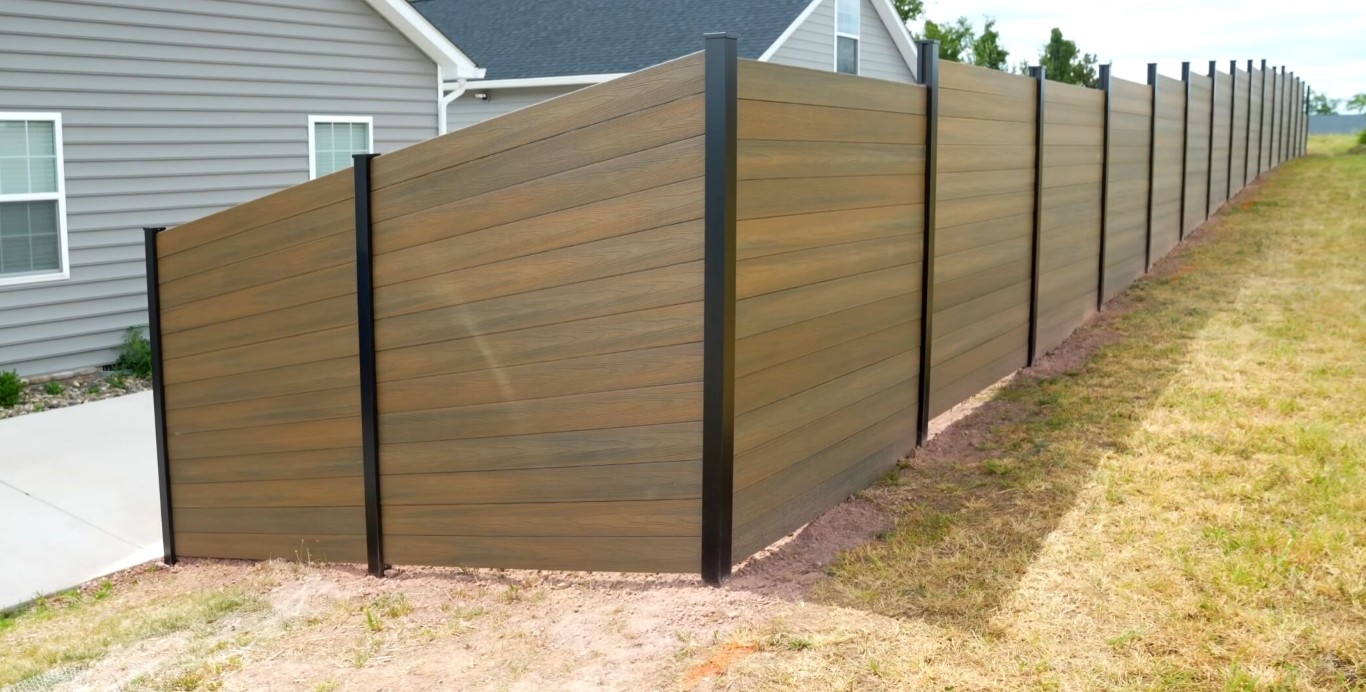
Horizontal board fences have become increasingly popular for modern homes. Instead of vertical pickets, the boards run horizontally between posts. This creates clean, contemporary lines that complement modern architecture. The horizontal orientation can also make your yard look wider.
You can space horizontal boards tightly for privacy or leave gaps for a semi-private design that allows light and air through. This style works well with natural wood finishes that highlight the grain patterns, though it also looks sharp painted in bold colors.
Split Rail Fence
Split rail fences offer a rustic, open design perfect for larger properties or rural settings. They consist of horizontal rails that fit into notched posts. Split rail fences mark boundaries without creating visual barriers. They work well for containing livestock or simply adding character to your property.
While split rail fences will not keep dogs contained or provide privacy, they are relatively inexpensive and quick to install. Many homeowners add wire mesh to the inside if they need more security while maintaining the rustic appearance.